Imagine waking up to find your emails organized, your social media posts scheduled, your data analyzed, and your reports written. No, this isn't magic—it's AI agents, and they're about to change everything.
If you've been hearing the buzz about AI agents but aren't sure what all the fuss is about, you're in the right place. Let's dive into this game-changing technology that's making waves across Silicon Valley and beyond.
What Are AI Agents, Really?
Think of an AI agent as your digital employee that never sleeps, never takes breaks, and never complains. Unlike regular AI tools like ChatGPT that wait for you to ask questions, AI agents are proactive. They work independently to complete complex tasks from start to finish.
Here's the difference in simple terms:
- Regular AI: "Hey ChatGPT, write me an email"
- AI Agent: Automatically monitors your calendar, writes emails to reschedule conflicts, sends them, and updates your schedule—all without you lifting a finger
Pretty cool, right?
Why Everyone's Talking About AI Agents Right Now
AI agents are having their iPhone moment. Just like smartphones revolutionized how we communicate, AI agents are revolutionizing how we work. Here's why they're exploding in popularity:
1. They Actually Get Things Done
Unlike traditional AI that just gives you answers, AI agents take action. They can book appointments, send emails, create documents, analyze data, and even make purchases—all autonomously.
2. They Work 24/7
While you're sleeping, your AI agent is working. It's monitoring your systems, responding to urgent emails, and preparing your morning briefing. It's like having a personal assistant in every time zone.
3. They Learn Your Preferences
The more you use an AI agent, the smarter it gets about your preferences. It learns how you like your emails written, what meetings you prioritize, and how you prefer your data presented.
Real-World Examples That'll Blow Your Mind
Let me share some real examples of AI agents in action:
The Sales Agent
One company built an AI agent that automatically follows up with leads, qualifies prospects, and schedules demos. Result? Their sales team focused on closing deals instead of chasing leads, and revenue increased by 40%.
The Content Agent
A marketing team created an AI agent that monitors trending topics, writes blog posts, optimizes them for SEO, and even schedules social media promotion. Their content output tripled without hiring a single new person. The key was using advanced prompt engineering techniques to ensure consistent, high-quality content generation.
The Research Agent
An investment firm's AI agent continuously monitors news, analyzes market data, and generates investment reports. What used to take a team of analysts days now happens in hours.
How to Build Your First AI Agent (No Coding Required!)
Ready to build your own AI agent? Here's a simple step-by-step guide:
Step 1: Define Your Goal
Start simple. What's one repetitive task that eats up your time? Email management? Social media posting? Data entry? Pick one.
Step 2: Choose Your Platform
Several no-code platforms make AI agent creation easy:
- Zapier AI: Great for connecting different apps
- Make (formerly Integromat): More powerful automation options
- Microsoft Power Automate: Perfect if you use Microsoft Office
- Bubble: For more complex applications
Step 3: Map Your Workflow
Write down every step of the task you want to automate. For example, if you want to automate email responses:
- Monitor inbox for new emails
- Categorize emails by type
- Generate appropriate responses
- Send replies or forward to appropriate person
- Update tracking spreadsheet
Step 4: Start Building
Most platforms use a visual interface where you drag and drop actions. Connect your apps, set up triggers, and define what actions to take. If you're using AI-powered platforms, make sure to leverage effective prompt templates for consistent results. For beginners, check out our prompt engineering basics guide to understand how to communicate effectively with AI systems.
Step 5: Test and Refine
Start with a simple version and gradually add complexity. Monitor how it performs and adjust as needed.
The Hottest AI Agent Trends Right Now
1. Multi-Modal Agents
These agents can process text, images, audio, and video. Imagine an agent that can read your emails, analyze attached charts, and create a video summary—all automatically.
2. Collaborative Agent Teams
Instead of one super-agent, companies are building teams of specialized agents that work together. One agent handles research, another writes content, and a third manages distribution.
3. Conversational Agents
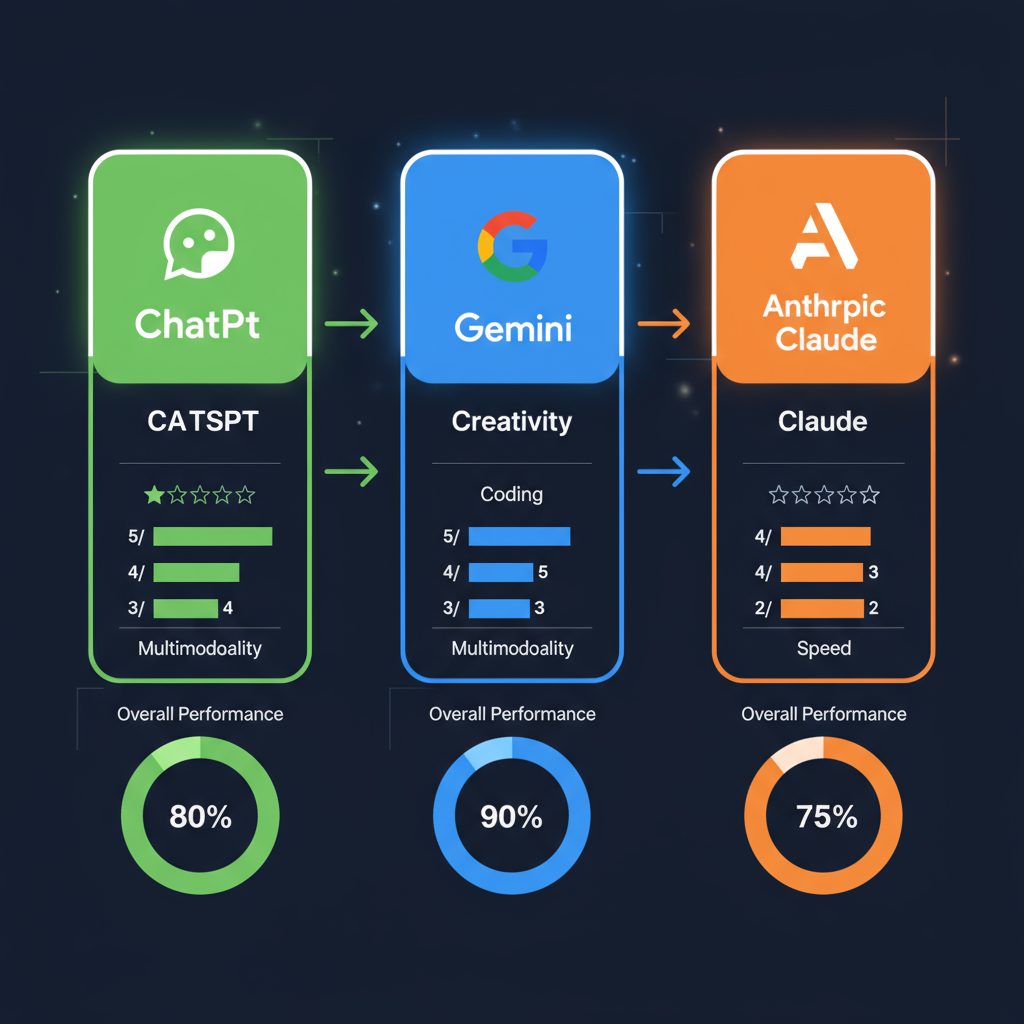
The latest agents can have natural conversations and understand context across multiple interactions. They remember what you discussed yesterday and build on it today. The secret to building effective conversational agents lies in mastering clear prompt frameworks and understanding how different AI models like ChatGPT, Gemini, and Claude handle conversational context.
What's Coming Next: The Future of AI Agents
The AI agent revolution is just getting started. Here's what's on the horizon:
Smarter Decision Making
Future agents will make complex decisions based on multiple factors, not just follow simple rules. They'll weigh pros and cons like a human would.
Better Integration
Agents will seamlessly work across all your apps and devices. Your phone agent will talk to your computer agent, which will coordinate with your smart home agent.
Emotional Intelligence
Next-generation agents will understand emotions and adjust their communication style accordingly. They'll know when you're stressed and adjust their approach.
Common Mistakes to Avoid
Before you dive in, here are the biggest mistakes people make with AI agents:
1. Trying to Automate Everything at Once
Start small. Pick one simple task and perfect it before moving to complex workflows.
2. Not Testing Thoroughly
Always test your agent in a controlled environment before letting it loose on important tasks.
3. Forgetting Human Oversight
AI agents are powerful but not perfect. Always have a human in the loop for critical decisions.
4. Ignoring Security
Make sure your agent has appropriate access controls and doesn't expose sensitive data.
The Bottom Line
AI agents aren't just another tech trend—they're the future of work. Companies that embrace them now will have a massive advantage over those that wait.
The best part? You don't need to be a tech expert to get started. With today's no-code platforms, anyone can build an AI agent that saves hours every week.
So here's my challenge to you: Pick one repetitive task you do every week and build an AI agent to handle it. Start simple, test thoroughly, and gradually expand. In six months, you'll wonder how you ever lived without your digital workforce.
The AI agent revolution is here. The question isn't whether you should join it—it's whether you can afford not to.
Ready to Get Started?
Building your first AI agent might seem overwhelming, but remember: every expert was once a beginner. Start with one simple task, use the tools I mentioned, and don't be afraid to experiment.
The future belongs to those who learn to work alongside AI, not against it. Your AI agent journey starts now.
Written by Alex Chen, AI Researcher and Productivity Expert. Alex has built over 50 AI agents for Fortune 500 companies and helps businesses automate their workflows without breaking their budgets.